

What is glyphosate and how can we avoid it
Glyphosate is a broad-spectrum systemic herbicide, meaning it can kill a wide range of plants by being absorbed through their leaves and stems and then transported throughout the plant. It is the most widely used herbicide in the world, both in agriculture and for residential purposes. Glyphosate is the active ingredient in products like Roundup produced by Monsanto, though other formulations exist.
What it does:
Glyphosate works by inhibiting an enzyme in plants that is essential for the production of certain amino acids. This disruption prevents the plant from growing and eventually leads to its death.
It is effective against many types of weeds, including grasses, broadleaf weeds, and woody plants.
How it's used:
Glyphosate is used in agriculture to control weeds in various crops, including corn, soybeans, cotton, and many others, according to the U.S. Environmental Protection Agency (EPA).
It's also used in non-agricultural settings, such as residential lawns and gardens, parks, and along roadsides.
Concerns and controversies:
Environmental persistence:
Glyphosate can persist in the environment, potentially contaminating soil, water, and even food crops, according to a study from the National Institutes of Health (NIH).
Human health:
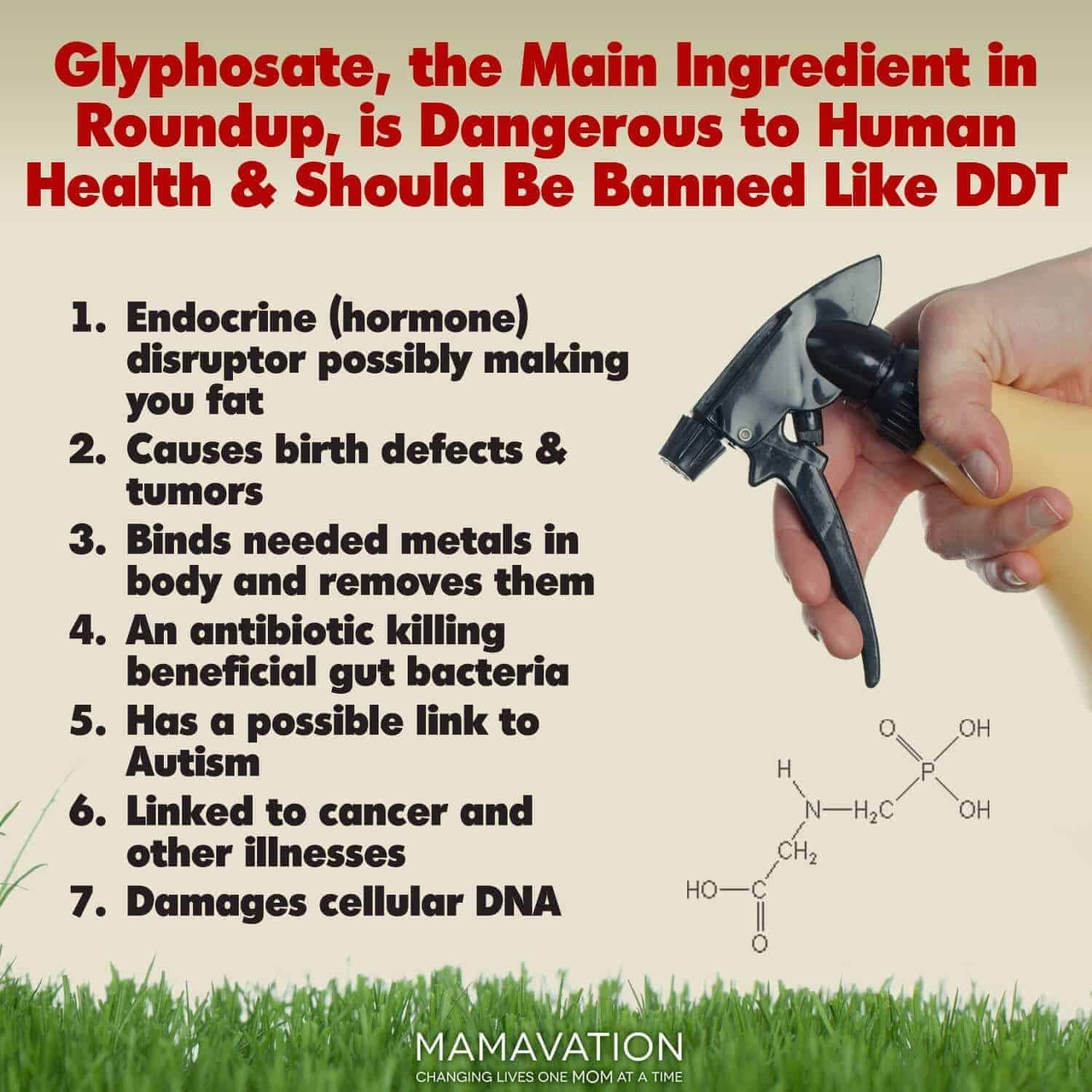
Some studies suggesting potential health risks associated with glyphosate exposure, including links to non-Hodgkin lymphoma and other health issues.
Regulation:
Regulatory bodies like the U.S. Environmental Protection Agency (EPA) and the European Food Safety Authority (EFSA) have evaluated glyphosate and generally concluded it is safe when used as directed. However, some scientific and legal controversies remain.
Non-target effects:
Concerns have also been raised about the impact of glyphosate on non-target organisms, such as beneficial insects and other wildlife.
Certain foods have been more contaminated due to farming practices.
Foods with high levels of glyphosate
Conventional oats are frequently sprayed with glyphosate as a harvesting aid, leading to high residues in products like oatmeal, cereals, and granola.
Similar to oats, wheat is often sprayed before harvest, resulting in high levels of glyphosate in products such as dried pasta, bread, and other flour-based foods.
Chickpeas, lentils, beans, and products made from them (like hummus) are often treated with glyphosate before harvest, leading to significant contamination.
Soybeans are a major crop, and glyphosate is commonly used on them, with residues detected in products made from soy.
While not always applied directly, some fruits and vegetables, including cilantro and basil, have shown surprisingly high pesticide levels, potentially due to drift or pre-harvest application.
Why these foods are affected
Pre-harvest Application:
In some jurisdictions, glyphosate is used as a "desiccant" or harvesting aid on crops like oats and wheat to dry them out before harvest, leaving residues on the final product.
Genetically Engineered Crops:
The widespread use of glyphosate on crops like corn, soy, and canola that are genetically engineered to be glyphosate-resistant means these crops often contain high levels of the herbicide.
Processing:
Even if only a component of a food product is treated with glyphosate, the residues can transfer to the final product.
The Problem
For decades, the herbicide has been sprayed all over crops, from the green grasses in our front yards to the fruits and vegetables that make their way to our dinner tables. In fact, the journal Environmental Science Europe reports the herbicide ranks among the most used pesticide in agriculture.
Since the herbicide’s first use in 1974, researchers estimate that Americans have used around 1.8 million tons (1).
So, what’s the problem?
In 2015, the World Health Organization’s International Agency for Research on Cancer reviewed studies of glyphosate use and found that it is “probably carcinogenic to humans.” You can read the report yourself here.
From the day of this report’s release, a cavalcade of misinformation and press releases have left many confused and searching for truth. So let’s get into this issue a little deeper.
The Research
Cell Activity
According to The Scientist, glyphosate is purported to not have any affect on humans or animals. Instead, it is designed to stop protein synthesis in plants, by blocking a specific enzyme from production. In that fashion, it is a pretty effective weed killer.
However, this chemical compound seems to be doing more than just that.
Many researchers believe the chemical may bind to receptors in the body, causing complications for hormones and the immune system. Early animal research suggests that glyphosate may impair mitochondrial function, too. (2) (Basically, mitochondrial function describes how nutrients are taken from cells and turned into energy).
However, more research is needed to verify glyphosate’s exact cellular influence on the body.
Cancer
What’s more, some studies have linked glyphosate to cancer, specifically non-Hodgkin lymphoma. This lymphoma is a cancer that develops in the immune system.
Most recently, one meta-analysis published in Mutation Research/Reviews in Mutation Research found a “compelling link” between glyphosate exposure and risk of developing non-Hodgkin lymphoma. (3) It’s worth mentioning that three of the authors of this report served as scientific advisers on the Environmental Protective Agency’s (EPA) panel on glyphosate.
The authors expressed that they did not believe the EPA followed sound scientific practice in their own glyphosate analysis, where the entity did not find a correlation between the herbicide and cancer.
But those researchers are not the only ones who had issue’s with the EPA’s analysis. Another analysis published in Environmental Science Europe in early 2019 argued that the EPA neglected evidence that proved a correlation between glyphosate and potential damage to human genetics. (4)
While this topic is highly contested, it seems where there is smoke, there is fire. Earlier this year, the US Agency for Toxic Substances and Disease Registry released its toxicological draft about glyphosate for the public. (Read it here.)
So, what did they find? Unlike the EPA, they could not deny a possible link between glyphosate and an increased risk of cancer.
Despite these findings, glyphosate continues to be used on lawns, school yards and farms.
How to reduce exposure
Choose Organic:
Buying organic versions of oats, beans, legumes, and grains can significantly reduce your exposure to glyphosate.
Vary Your Diet:
Eating a wide variety of foods and not relying heavily on just one or two types can help to spread out potential exposure.
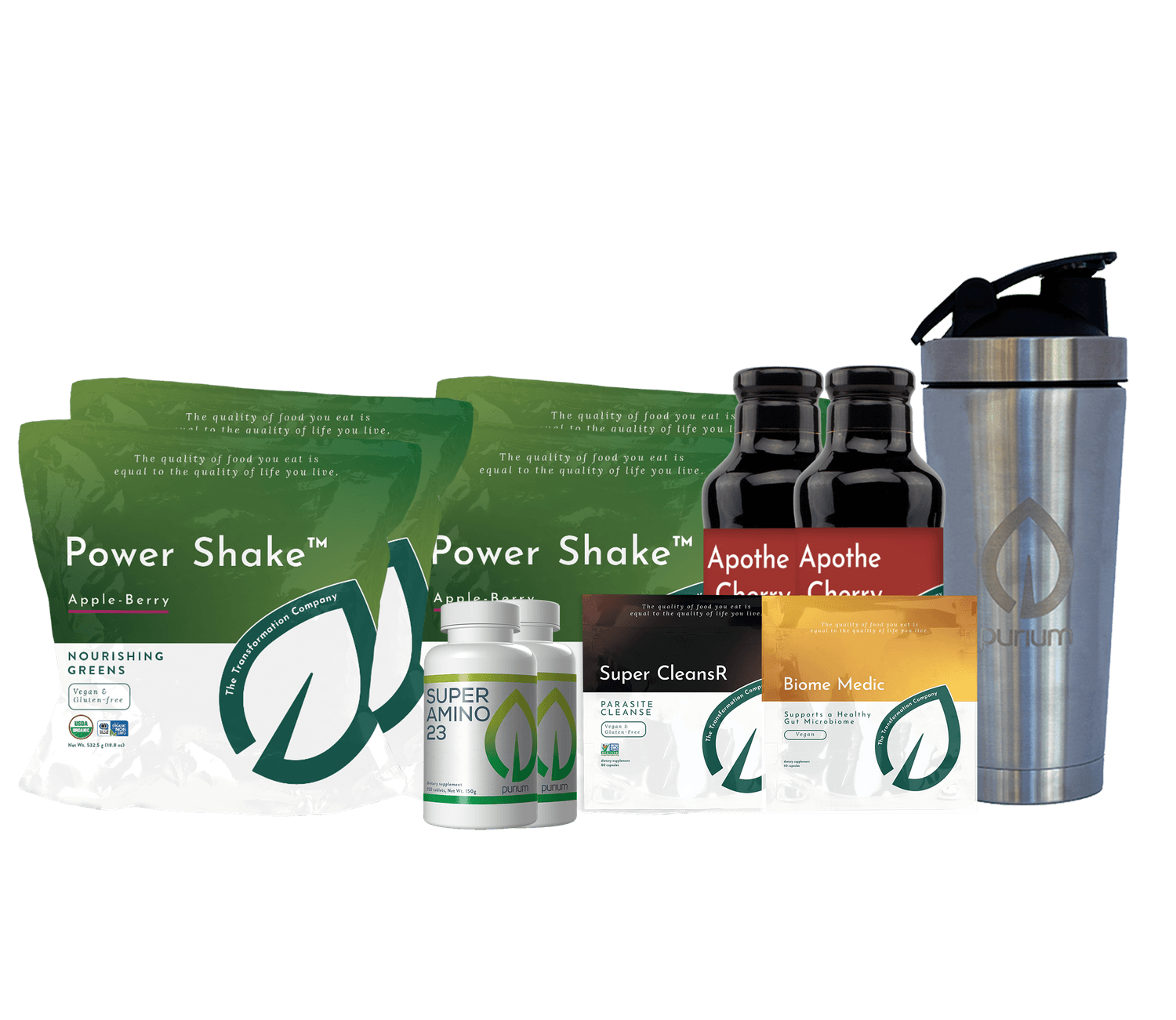
Use Biome Medic:
Give your body the superior gut health it deserves with this core Purium product. An exclusive and proprietary formula filled with all-natural ingredients was awarded a Gold Seal by the Detox Project as a glyphosate detox solution. Biome Medic can help flush harmful toxins, support “good” bacteria, and protect your microbiome from GMO damage.
May help:
Detoxify glyphosate
Digestion
Bloating
Immunity
Healthy C-reactive Protein Levels
You can find the product here in my superfood store->https://tr.ee/G09eavdGue
https://detoxproject.org/wpcontent/uploads/2022/02/Glyphosate_Contamination_Report_Final1.pdf