

Before you DETOX...
DETOXIFICATION and why drainage before detoxing is important
Our bodies are designed to naturally remove waste and unwanted substances through a network of elimination pathways known as the emunctory organs. These organs work together to maintain balance, ensuring that anything that does not belong is efficiently processed and removed—such as environmental toxins, metabolic waste, or emotional stress. When stagnancy occurs in these pathways, the body has a hard time eliminating properly, leading to symptoms like digestive issues, skin problems, headaches, poor focus, lack of sweating, and chronic fatigue.
An emunctory is any organ, tissue, or pathway in the body responsible for eliminating waste products and toxins to maintain health. The primary emunctories are the liver, kidneys, colon (intestines), lungs, and skin , and are the main routes for removing metabolic waste and toxins. When these are overwhelmed, secondary pathways like mucous membranes may be used.
Key Emunctory Organs and Functions
Liver: Transforms toxins into less harmful, water-soluble substances for excretion.
Kidneys: Filter blood to remove waste products via urine.
Intestines: Eliminate solid waste through feces.
Lungs: Exhale gaseous waste products.
Skin: Releases toxins through sweat and sebaceous glands.
Emunctory Function and Health
Primary vs. Secondary: Primary emunctories are the most efficient routes. If they are overburdened or dysfunctional, secondary emunctories (such as nasal discharge, skin eruptions, or inflammation) are used, which can lead to symptoms of illness.
Support: Proper emunctory function is supported by hydration, nutrition, and reducing environmental toxin exposure to prevent accumulated waste, or toxemia.
Detox Protocols:
-Hydration: Proper hydration is the foundation of any detox. Water doesn’t just hydrate—it charges your cells, creates electrical conductivity, and facilitates the movement of toxins out of your body.
Add a pinch of high-quality sea salt for electrolytes. Start your day with a glass of water and a squeeze of fresh lemon to support liver detoxification and alkalize your body.
-Living, organic, plant-based foods : The food you eat either fuels your vitality or creates a burden on your body. To detoxify, focus on living, organic plant-based foods that nourish and energize.
Raw Fruits and Vegetables: High in enzymes, antioxidants, and phytonutrients to fuel cellular repair.
Sprouts and Microgreens: Packed with living energy and nutrients. Chlorophyll-Rich Foods: Think wheatgrass, spinach, and chlorella to support oxygenation and detoxification.
-Open elimination pathways: Toxins need a way out. Your body eliminates waste through the kidneys, colon, lungs, skin, and lymphatic system. Supporting these pathways ensures that toxins don’t recirculate.
For Your Kidneys: Start observing kidney filtration. Look for cloudy urine, which indicates proper lymphatic drainage. Drink parsley tea or use a kidney-bladder herbal tincture to support filtration.
For Your Skin: Dry brush daily to stimulate lymphatic flow and exfoliate dead skin. Take regular Epsom salt baths to draw out toxins.
For Your Colon: Increase fiber intake through raw vegetables and psyllium husk. Consider gentle herbal supports, plant-based enzymes to help sweep the colon, or enemas if needed.
-Movement/Lymph flow:The lymphatic system is your body’s “sewer system,” and movement is its pump. A stagnant lymph leads to toxin buildup and inflammation.
Rebound on a mini trampoline for 10-15 minutes daily.
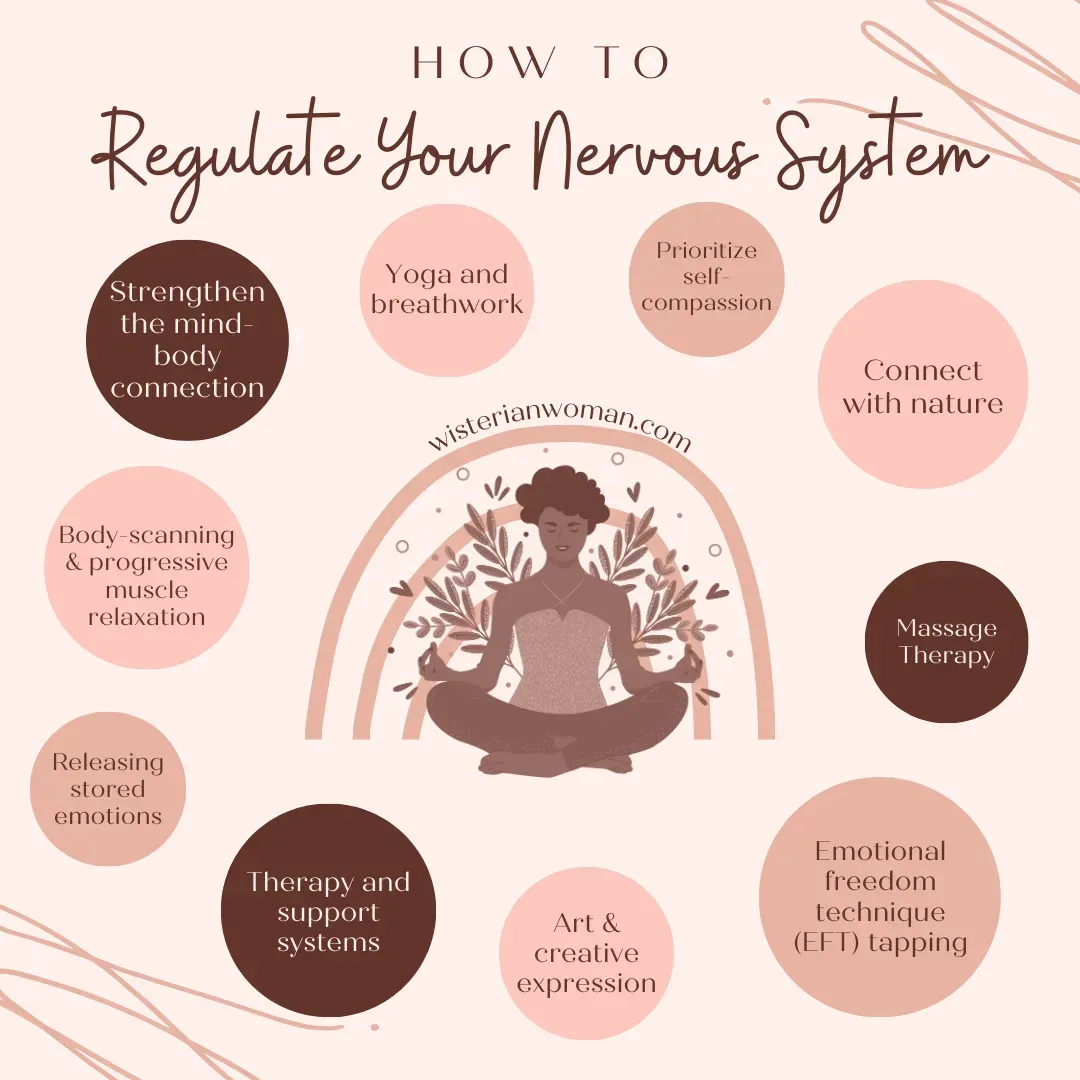
Practice yoga or stretching to support lymphatic drainage. Yoga also helps align the body, improve posture, and calm the nervous system.
Incorporate breathwork to oxygenate your body and stimulate energy flow.
Take light cardiovascular activity, like walking or cycling, to increase circulation.
-Rest: Detox isn’t just physical—it’s emotional and energetic. Sleep and relaxation are vital for your nervous system, hormone balance, and cellular repair. Aim for 7-9 hours of sleep each night, ideally from 10 PM to 6 AM, when your body is in its optimal repair cycle.
Practice deep breathing, meditation, or journaling to release emotional toxins. Avoid overstimulation from screens, caffeine, and stress, especially in the evening.