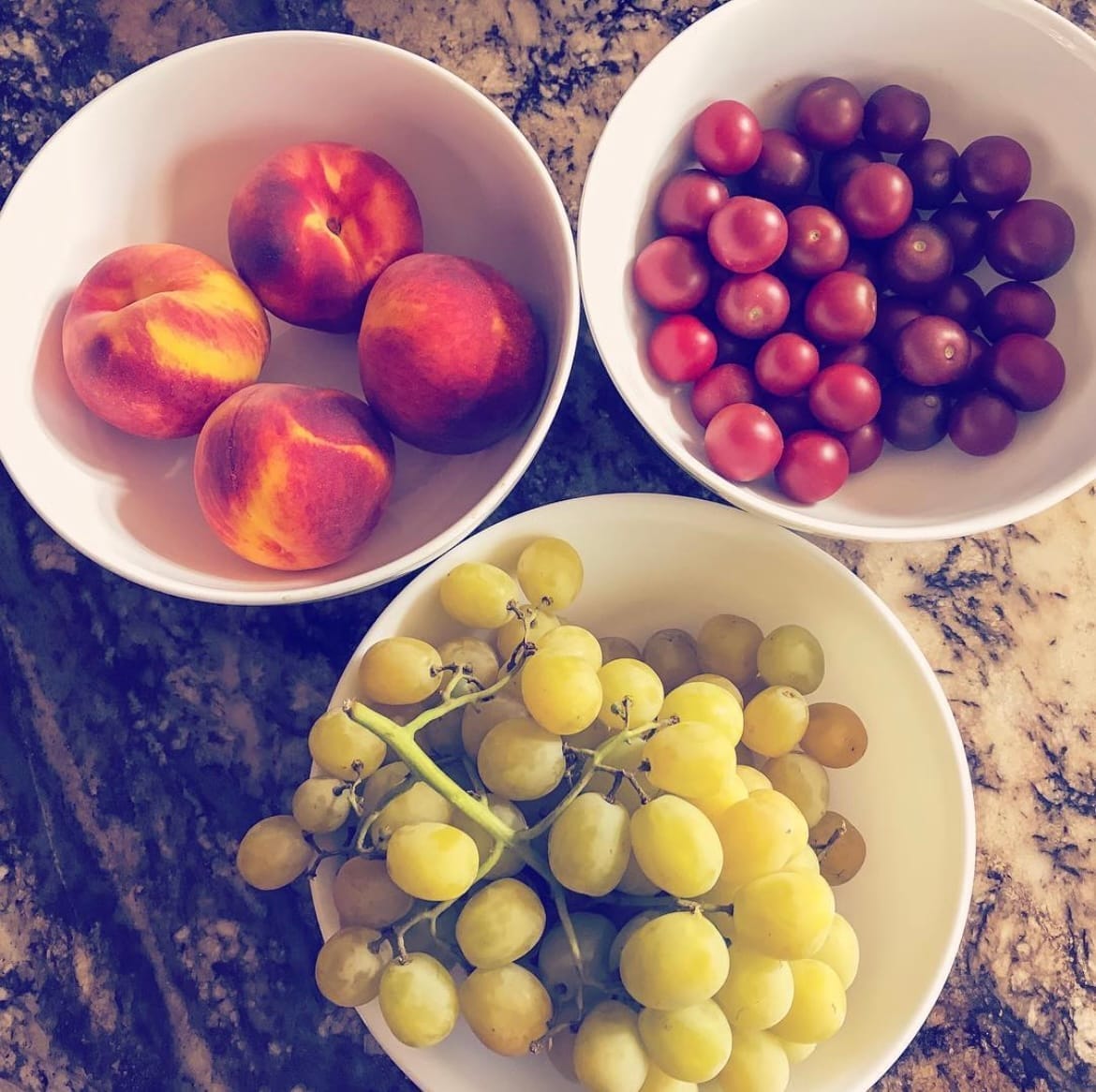


Why I buy organic produce and why you should too
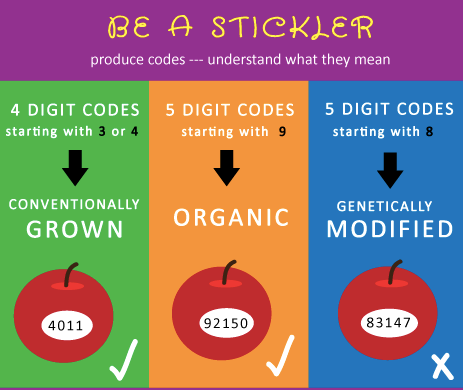
Organic produce refers to food grown and processed according to specific standards that limit the use of synthetic pesticides, herbicides, fertilizers, and other prohibited substances. It also excludes the use of genetically modified organisms (GMOs) and irradiation. Organic farming practices aim to cycle resources, promote ecological balance, and conserve biodiversity.
Key aspects of organic produce:
Pesticide and herbicide-free: Organic farming relies on natural methods to manage pests and weeds, rather than synthetic chemicals.
No GMOs: Genetically modified organisms are not allowed in organic production.
No irradiation: Organic food is not subjected to irradiation to extend shelf life.
Sustainable practices: Organic farming emphasizes practices that promote soil health, biodiversity, and environmental sustainability.
Benefits of buying organic:
Reduced pesticide exposure: Organic produce generally has lower levels of pesticide residues.
Support for sustainable farming: Organic practices are often seen as more environmentally friendly.
Potential health benefits: Some studies suggest a link between organic food consumption and reduced risk of certain health issues, such as non-Hodgkin lymphoma, although more research is needed.
Organic farming practices prohibit the use of most synthetic pesticides, which can be a major concern with conventional produce. Studies have shown that organic produce contains fewer pesticide residues, and some studies have found higher levels of certain nutrients like antioxidants.
Some studies suggest that organic foods may contain higher levels of certain vitamins and minerals, as well as antioxidants, compared to conventional foods. However, this is an area of ongoing research, and the differences are not always significant or consistently found across all studies.
-Environmental Benefits:
Organic farming practices minimize the use of synthetic fertilizers and pesticides, which can pollute soil and water.
Organic farming can promote biodiversity by supporting a wider range of plants and animals.
Organic farming practices prioritize soil health, which is crucial for long-term sustainability.
Considerations:
Cost: Organic produce tends to be more expensive than conventionally grown food.
Availability: Organic options may not be readily available in all locations.
Shorter shelf life: Organic produce may have a shorter shelf life due to the absence of artificial preservatives.
I have been prioritizing buying organic for over a decade now after seeing reports on the negative effects of pesticide use, especially glyphosate. I have a separate blog on glyphosate specifically because it is that important!
I do most of my produce shopping at local farmers markets. Some farmers do not have the organic certification label because it can be costly to get it, but grow their produce according to organic standards. You can often find great bargains there! Plus it's great being able to support local organic farms and the people of our communities.
https://www.consumerreports.org/cro/health/natural-health/pesticides/index.htm