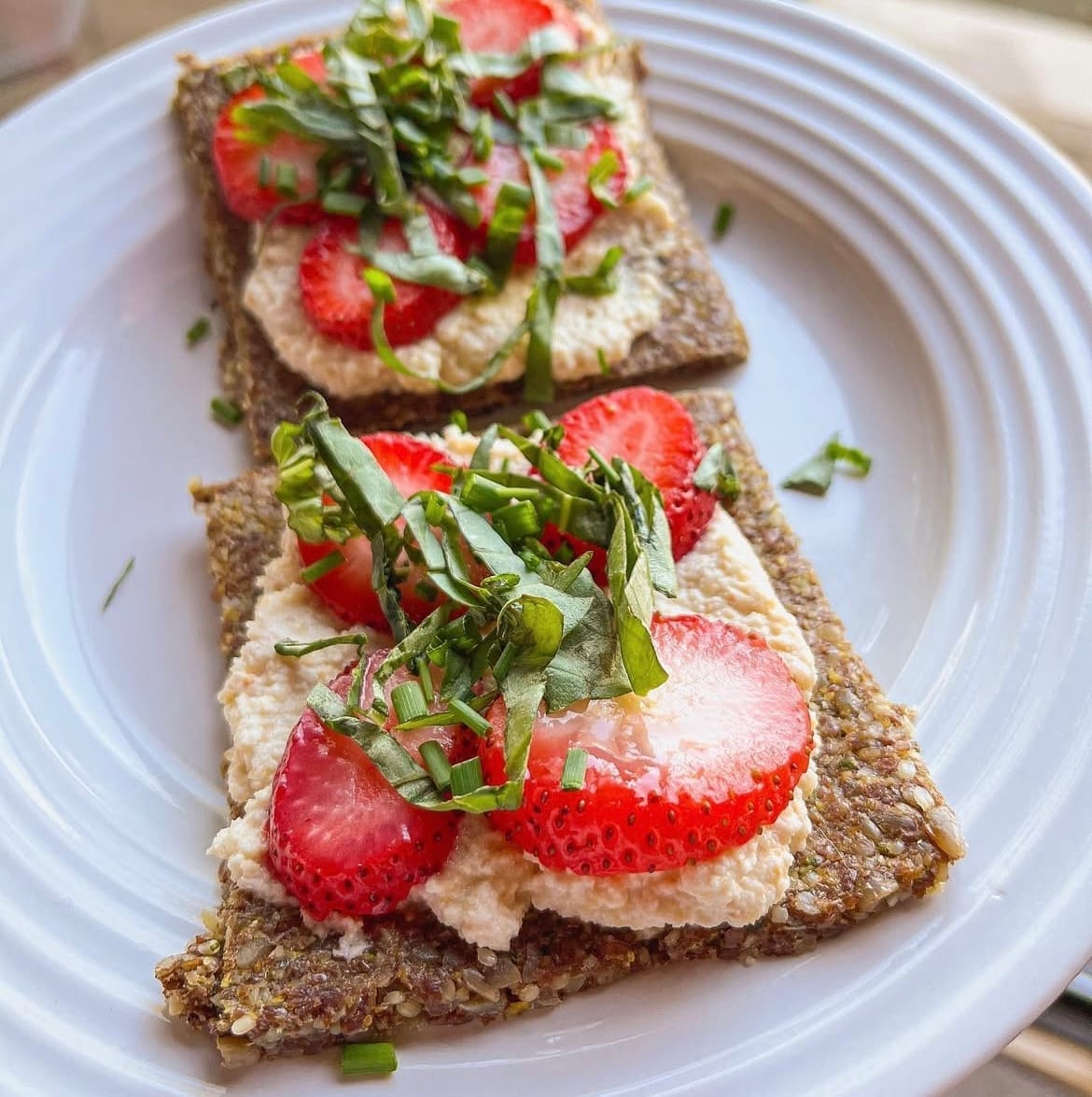


How to add lots of nutrition at a low cost with-SPROUTS!
Sprouts, the young seedlings of various plants, offer a range of health benefits.
Nutrient Content:
Rich in vitamins (A, C, K, B complex)
High in minerals (magnesium, calcium, iron)
Contain antioxidants (sulforaphane, quercetin)
Provide fiber and protein
Digestive Health:
Sprouts contain enzymes that aid in digestion.
They are a good source of prebiotics, which promote the growth of beneficial gut bacteria.
This can help improve digestion, reduce bloating, and prevent constipation.
Cardiovascular Health:
Sprouts are rich in omega-3 fatty acids, which help lower cholesterol levels.
They also contain antioxidants that protect the heart from damage.
Immune System Support:
Sprouts are a good source of vitamin C, which boosts the immune system.
They also contain other antioxidants that help fight off infections.
Antioxidant Power:
Sprouts are packed with antioxidants, including sulforaphane and quercetin.
These antioxidants help protect cells from damage caused by free radicals, reducing the risk of chronic diseases.
Metabolic Health:
Sprouts are low in calories and fat.
They are high in fiber, which helps regulate blood sugar levels.
This can aid in weight management and improve metabolic health.
Other Benefits:
Sprouts may help improve skin health due to their antioxidant content.
They are a good source of folate, which is essential for fetal development during pregnancy.
Sprouts can add variety and flavor to salads, sandwiches, and soups.
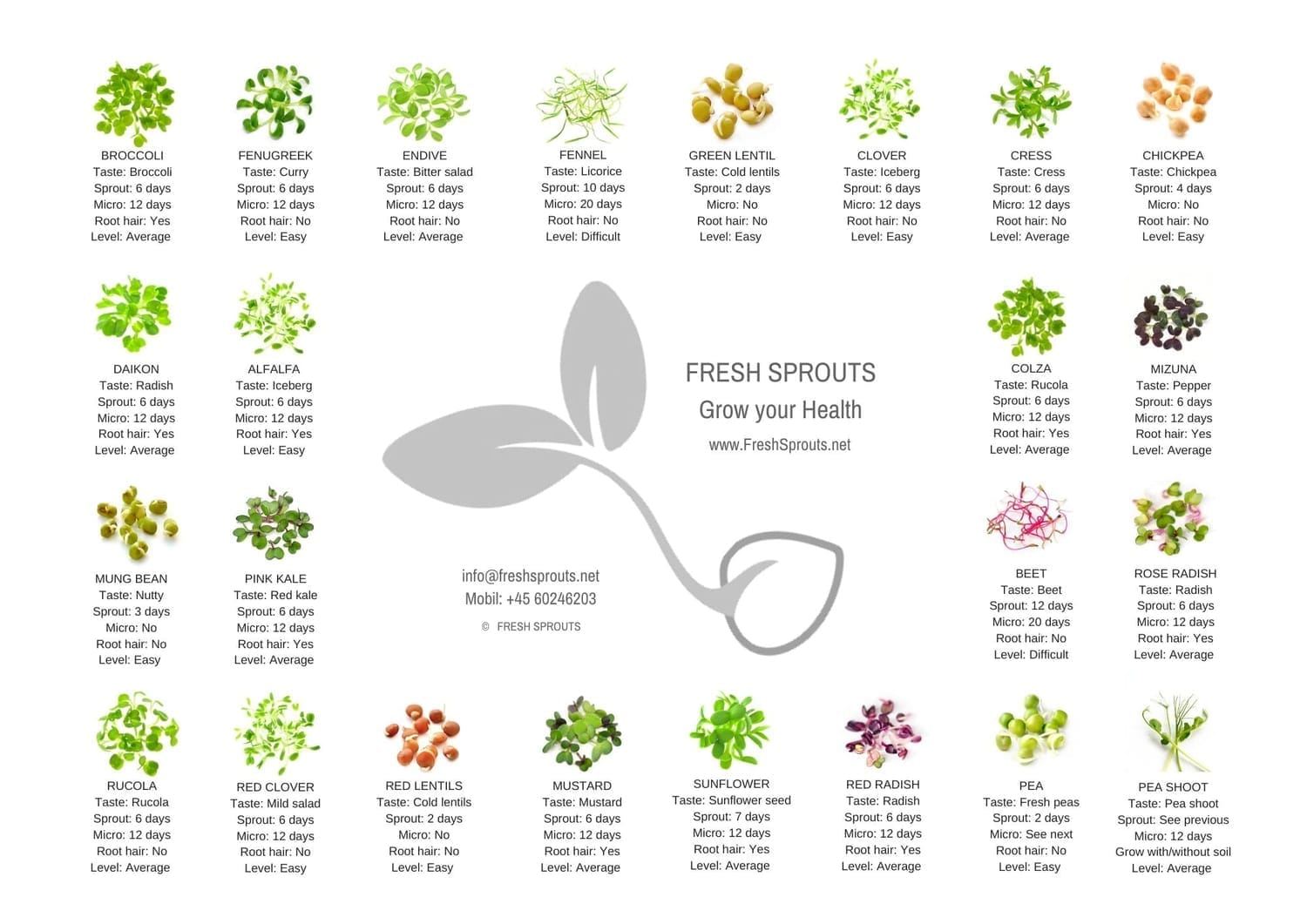
Alfalfa sprouts are often considered the "king of all sprouts" due to their high content of vitamins A, B, C, E, and K, as well as essential amino acids and minerals like manganese, which supports insulin function and digestion. Broccoli sprouts are also highly nutritious, particularly for their high levels of sulforaphane, a compound linked to reduced cancer risk, along with fiber, protein, and various vitamins and minerals.
Alfalfa Sprouts: Known for their mild flavor and crunch, they are rich in vitamins A, B, C, E, and K, and contain essential amino acids and minerals such as calcium, magnesium, and potassium. They are best consumed raw to preserve their unstable nutrients.
Broccoli Sprouts: These sprouts are particularly noted for their high concentration of sulforaphane, a powerful antioxidant with potential anti-cancer properties. They also provide fiber, protein, vitamins A, C, and K, and are rich in glucosinolates and isothiocyanates.
Lentil Sprouts: Among the most protein-rich sprouts, lentils are low in calories and high in nutrients like thiamine, copper, manganese, iron, and vitamin C. They offer a nutty flavor and are suitable for both raw and lightly cooked consumption.
Mung Bean Sprouts: High in protein and fiber, low in calories, and rich in vitamin C, calcium, and iron. They have a mild, nutty flavor and are versatile in both raw salads and cooked dishes like stir-fries.
Green Pea Sprouts: Provide a sweet, mild flavor and are packed with vitamins A, B, and C, along with minerals like calcium, iron, and phosphorus. They are a good source of protein and can be enjoyed raw or lightly cooked.
Radish Sprouts: Known for their peppery kick, they are rich in vitamins A, C, and K, folate, fiber, and B vitamins, adding both flavor and nutrition to dishes.
Sunflower Sprouts: Offer a nutty flavor and crisp texture, and are loaded with vitamin D, calcium, and iron. They are more calorie-dense and higher in healthy unsaturated fats compared to other sprouts.