

How to help your Colon to function well
The colon, also known as the large intestine, is the foundational organ for eliminating waste and toxins from the body. It is the final stage of the digestive process, making sure that what is no longer needed is efficiently removed. When the colon becomes sluggish or overburdened, waste remains in the body longer than it needs to, and that’s when the buildup of toxins occurs, leading to inflammation and health issues.
The colon’s role is to absorb water, balance electrolytes, and form stools for elimination. It serves as the body’s garbage disposal, and works with the liver and kidneys to remove toxins. When it is functioning well, the colon guarantees that waste is eliminated regularly and efficiently. If the colon becomes stagnant, it can lead to constipation, which is a major red flag! It’s a sign that waste is sitting in the body too long, increasing the risk of reabsorbing toxins. Chronic constipation can contribute to discomfort, bloating, discomfort, skin issues, brain fog, and even increased inflammation in the body.
Signs of Colon Stagnation
These symptoms indicate that the colon needs support to improve elimination and restore balance in the body. If the colon is not draining well, the body will communicate in multiple ways. Common signs of stagnation are:
Bloating & Gas – The buildup of waste leads to fermentation in the gut, causing discomfort.
Irregular Bowel Movements – When you are having less than one well-formed bowel movement per day.
Skin Issues – Acne, eczema, and rashes often come from poor or lack of elimination.
Brain Fog & Poor Focus – Since the gut and brain are so closely connected, waste buildup can affect mental clarity.
Fatigue – This can cause an overload on other emunctory organs, thus draining energy.
Very Unpleasant-Smelling (Foul) Stools – This is a sign of digestion not being completed and waste retention.
The gut and nervous system are deeply connected. When the body is in a stressed state (fight-or-flight), digestion impedes, and the colon’s ability to move waste is affected. Chronic stress can lead to irregular bowel movements, bloating, and even irritable bowel syndrome (IBS).
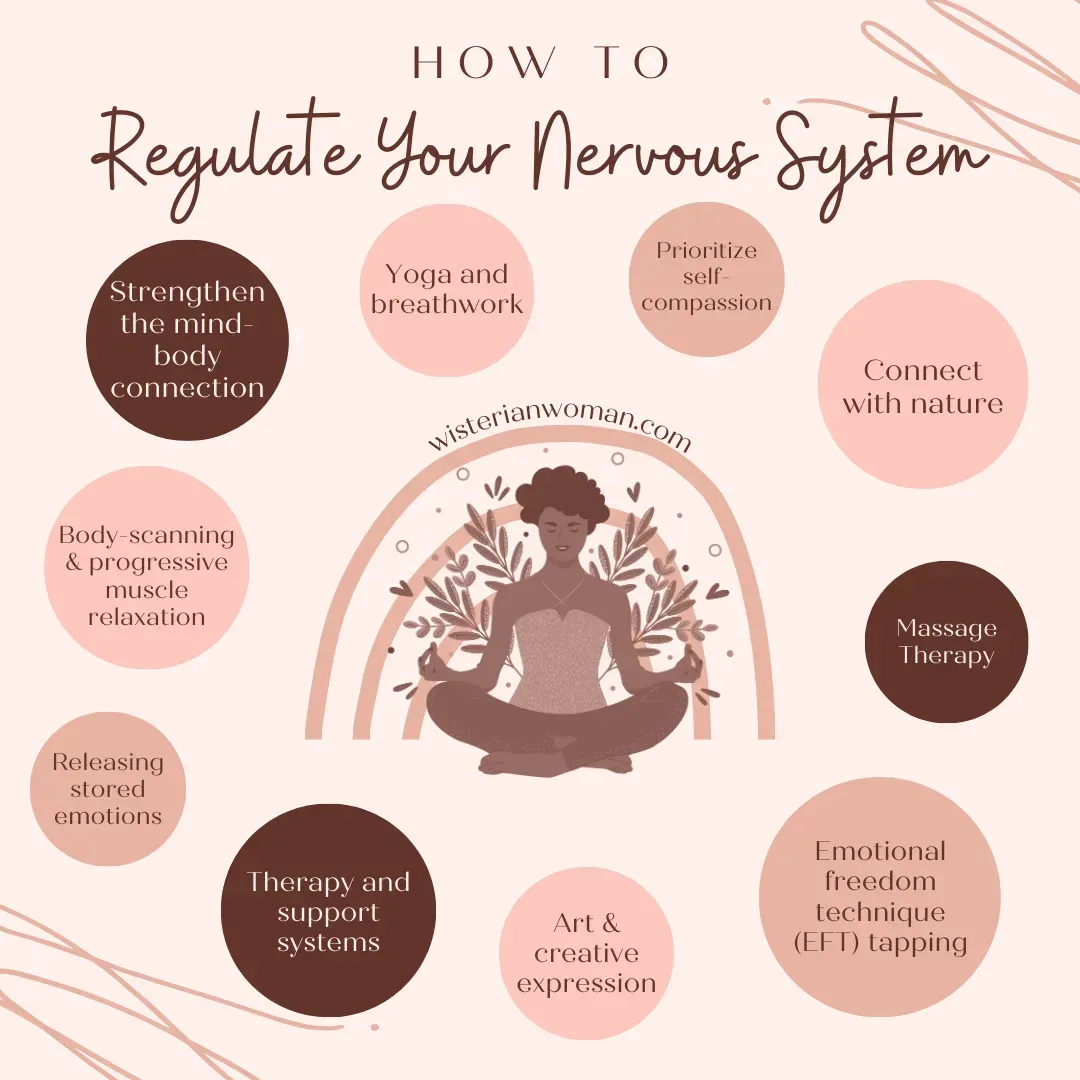
When we support the parasympathetic nervous system (rest-and-digest), digestion improves naturally. When addressing colon health, it’s not only important to address dietary changes but also to address nervous system regulation.
So what is the affect of stress on digestion?
High stress levels increases cortisol which reduces digestive enzyme production and slow bowel movements.
Tension in the muscles of the abdomen and pelvic floor can lead to constipation.
Chronic stress alters gut bacteria, reducing microbiome diversity which will impact digestion.
A good place to start for improving colon function is by reducing stress through breath work, relaxation techniques, and vagus nerve activation. You can begin to take small steps to support your colon.
The following are some easy ways to help get your colon back to a balanced state:
-Hydration – Make sure you drink enough water to maintain soft and easily moving stools. To improve hydration even more, add minerals or electrolytes.
-Increase Fiber Intake – Eat whole foods, such as fruits, vegetables, and seeds (like flax, chia). Fiber helps healthy gut bacteria thrive and adds bulk to the stools.
-Movement & Stretching – Do gentle exercises like walking, rebounding, and yoga poses with twists to stimulate the movement of waste through the colon.
-Breathwork & Nervous System Regulation – Breathing deep into the belly and activating the vagus nerve help shift the body into a parasympathetic state, and will improve digestion.
-Squatting Position for Elimination – Use a stool under your feet while on the toilet to mimic the natural squatting position, which will reduce strain and help with fully eliminating.
-Castor Oil Packs & Massage – Apply castor oil packs over the abdomen or do gentle self-massage on the abdomen to encourage bowel movement and reduce other symptoms.